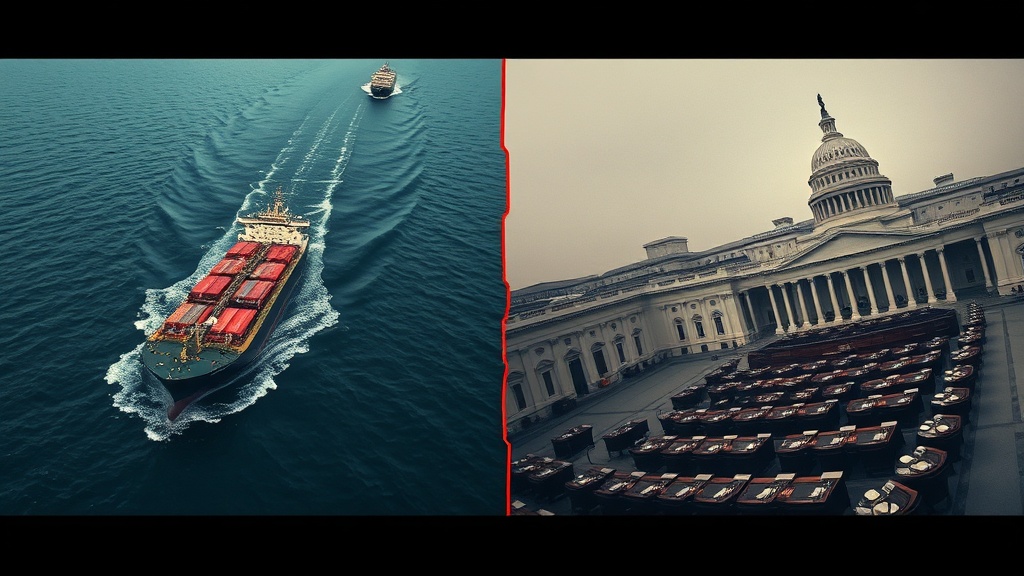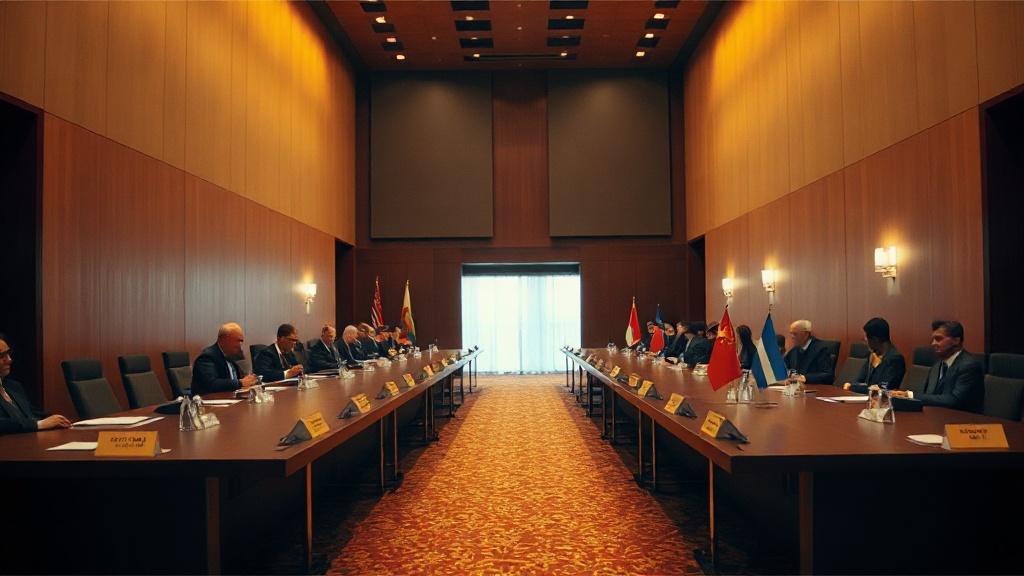
Both sides claim a deal. Neither agrees on what it actually says.
Left Feed Reality
The Guardian (June 13-14, 2026) and The Hill emphasize that even if a deal is signed, it leaves Iran's nuclear program and frozen assets unresolved — kicking those thorniest issues into a 60-day technical discussion framework. Democratic Rep. Seth Moulton told MSNBC the reported agreement is 'basically a surrender document from Donald Trump to the supreme leader of Iran,' arguing the U.S. and Israel fell short of their stated goals of dismantling Iran's missile and nuclear capabilities. The left's steelman: a flawed deal that stops active hostilities, which have already killed thousands, is still better than continued war — and the 60-day framework at least keeps a diplomatic channel open.
Sources: The Guardian US, June 13-14, 2026, The Hill, June 13, 2026
Right Feed Reality
Breitbart (June 13, 2026) and the Daily Wire frame the deal as a historic Trump achievement: a sitting U.S. president extracting a commitment from Iran that it 'no longer wants a nuclear weapon' and reopening the Strait of Hormuz — a critical global shipping lane whose closure has thrown world markets into disarray. The right's steelman: no previous administration, not Obama's JCPOA, not Biden's indirect diplomacy, produced an agreement that halted active armed hostilities between the U.S. and Iran. Trump also timed the announcement to precede the G7 in Evian-les-Bains, France, signaling international leverage, not retreat.
Sources: Breitbart, June 13, 2026, Daily Wire, June 13, 2026
Global POV
BBC News, Al Jazeera, and AP (all June 14, 2026) highlight a structurally revealing gap: Trump announced a Sunday signing on Truth Social while Iran's foreign ministry spokesperson Esmail Baghaei said it 'could happen in the coming days' — and Al Jazeera noted the signing was not on Trump's public schedule. Qatari mediators flew to Tehran on Sunday for final touches, per AP, and Pakistan's Prime Minister Shehbaz Sharif — the lead negotiator — said a deal was closer 'than ever before' and could be finalized 'in the next 24 hours.' The international read: a genuine agreement is near, but the timeline dispute reflects each side's need to manage domestic audiences, not a substantive breakdown.
Sources: AP News, June 14, 2026, BBC News, June 14, 2026, Al Jazeera, June 14, 2026
What Your Feed Is Hiding
Every headline is treating the timeline dispute as the story — but the actual substance of what's being signed is the buried lede. According to AP (June 14, 2026), the deal does not resolve Iran's nuclear program, its frozen assets, or its support for regional proxies. It is a 60-day framework for 'technical discussions' on those issues. That means the two biggest reasons the U.S. went to war with Iran — nuclear capability and proxy networks — are explicitly deferred, not solved. The left is calling it a surrender and the right is calling it a triumph, but both are reacting to a signing ceremony for a document that, by all accounts, settles nothing permanent. Pakistani and regional officials confirmed to AP that 'U.S. and Israel appear to have fallen short of their original goals of destroying Iran's missile and nuclear programs.' The Strait of Hormuz reopening is real and economically significant — its closure threw world markets into disarray per AP — but that is a ceasefire benefit, not a strategic victory for either side's stated war aims.
Key data: AP News, June 14, 2026: 'The deal does not solve the thorniest issues between the U.S. and Iran, including Iran's nuclear program or its frozen assets, but offers a 60-day framework for technical discussions on those issues.' Regional officials confirmed 'U.S. and Israel appear to have fallen short of their original goals.'
Where They Actually Agree
Every outlet across the spectrum — Guardian, Breitbart, AP, Al Jazeera — agrees that a deal is genuinely imminent and that reopening the Strait of Hormuz is the immediate, concrete outcome both sides want. Left and right also implicitly agree that the nuclear question remains the unresolved center of gravity: one side sees that as a fatal flaw, the other as a problem for the next phase of negotiations, but neither disputes that it isn't settled.
Community Pulse
Is a 60-day framework that defers nuclear and proxy issues a meaningful step toward peace?
AI-generated analysis based on published sources. TheOtherFeed does not take political positions.