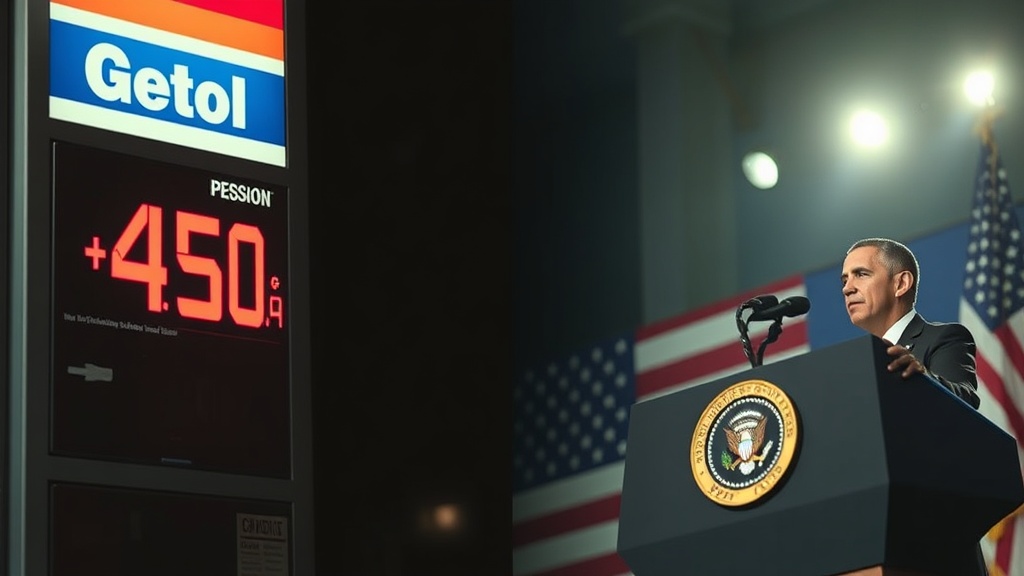
The 3.8% inflation spike that explains Trump's 'I don't think' comment
Bull Case
Trump's comment reflects strategic focus on preventing nuclear escalation over short-term economic pain. GDP growth remains strong despite inflation, and energy shocks historically prove temporary once conflicts resolve. His tax cuts are still putting money in workers' pockets even as prices rise.
Sources: AP News (May 13, 2026)
Bear Case
Trump's dismissive comment exposes dangerous disconnect as 70% of Americans disapprove of his economic handling per new CNN polling. Real wages are shrinking for first time in three years, and economists warn inflation could hit 4% next month with energy shocks rippling through the broader economy.
Sources: Axios (May 13, 2026), PBS NewsHour (May 12, 2026)
Global Markets
International observers view the inflation surge as validation of energy security concerns that drove policy shifts across Europe and Asia. The Iran war's economic impact extends beyond US borders, with global supply chains absorbing cumulative 30% price increases since the pandemic that haven't fully healed.
Sources: BBC Business (May 12, 2026), Axios (May 13, 2026)
What Your Feed Is Hiding
Trump's comment reveals the uncomfortable reality that geopolitical strategy and domestic economics operate on fundamentally different timelines. While voters experience inflation monthly through grocery bills and gas prices, nuclear proliferation decisions play out over decades. The 3.8% April inflation rate that dominated headlines represents exactly the kind of short-term economic pain presidents historically accept to prevent long-term security catastrophes. Previous administrations faced identical trade-offs but rarely stated it so bluntly.
Key data: 3.8% April inflation rate from Bureau of Labor Statistics
Where They Actually Agree
All sides acknowledge that energy costs are the primary driver behind the 3.8% inflation spike, with gas prices above $4.50 nationally due to the Iran conflict. Both critics and supporters agree that resolving the Middle East situation would likely ease price pressures, though they disagree on timeline and methods.
Community Pulse
Should presidents prioritize preventing nuclear weapons over Americans' current financial struggles?
AI-generated analysis based on published sources. TheOtherFeed does not take political positions.