50 bases struck, 3 Indians dead, and still no exit strategy
Left Feed Reality
The Guardian (June 11, 2026) reports that US strikes damaged two water storage facilities near Bemani, a district of 20,000 people roughly 2 miles from the Strait of Hormuz, during Iran's historic drought. Former State Department lawyer Brian Finucane warns the strikes may constitute a war crime: 'It's either a military objective or it's a civilian object — attacking one is lawful, attacking the other is a war crime.' The left's argument is that the US military has already crossed critical legal and moral thresholds, and the nominal ceasefire announced two months ago has only normalized ongoing atrocity.
Sources: The Guardian US, June 11, 2026, NYT, June 12, 2026
Right Feed Reality
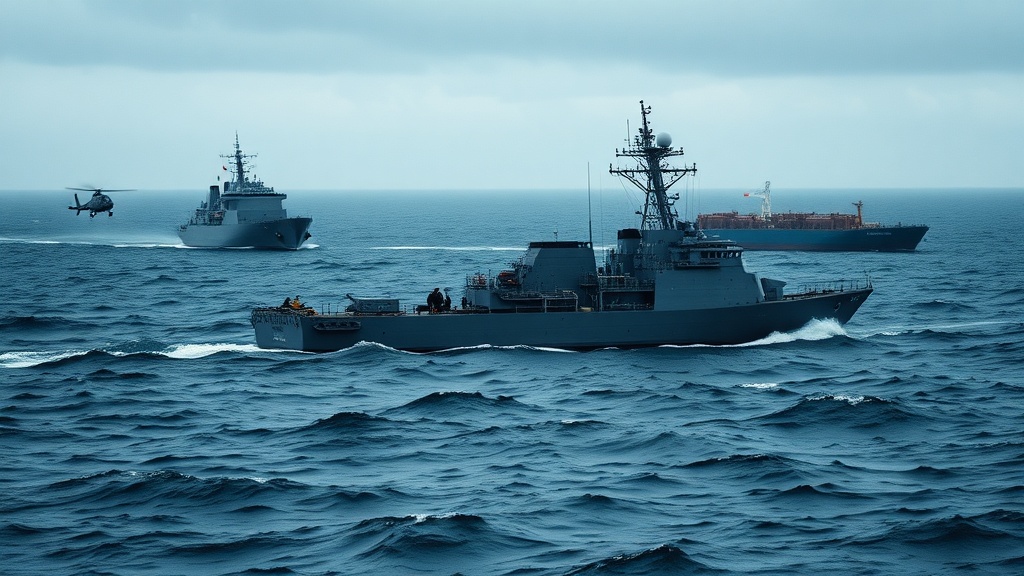
Breitbart (June 11, 2026) frames the conflict through the lens of American military innovation and resilience: an Iran-downed US Army AH-64 Apache crew was rescued by a Saronic Corsair unmanned surface vessel, described as a historic first. The right's strongest argument is that the US has inflicted asymmetric damage — satellite imagery cited by BBC News (June 11) shows more than 50 Iranian military bases damaged, including jets and warships — while casualties on the American side have been survivable and recoverable. Pressure on Tehran is working, evidenced by Iran state media signaling a deal that would reopen Hormuz and lift oil sanctions (CNBC, June 12).
Sources: Breitbart, June 11, 2026, BBC News, June 11, 2026, CNBC, June 12, 2026
Global POV
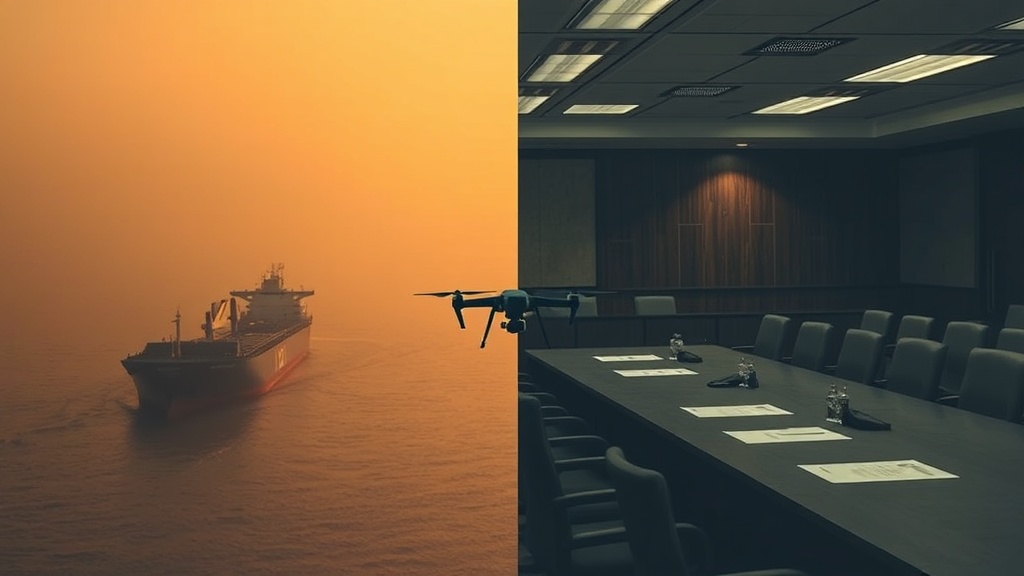
Third-country nationals are dying in a war they have no part in: three Indian sailors were killed by US strikes on vessels in the Strait of Hormuz this week, and Al Jazeera (June 12) reports their families are now in mourning — a human cost the US-Iran ceasefire narrative is not accounting for. More than 500 ships remain stranded in the Persian Gulf (NYT, June 12), with shipping companies forced to choose between the Hormuz risk and ruinous detour costs. Euronews (June 12) raises the live question of whether Trump might actually seize Kharg Island, which handles roughly 90% of Iran's crude oil exports — a move that would transform a localized conflict into a global energy emergency.
Sources: Al Jazeera, June 12, 2026, NYT, June 12, 2026, Euronews, June 12, 2026, BBC News, June 11, 2026
What Your Feed Is Hiding
Every actor in this conflict — the US, Iran, and the markets — is behaving as though a deal is imminent, while the underlying conditions for sustained war are getting worse, not better. Oil sank to a three-month low on June 12 (FT) after Trump said a deal was close, which means traders are pricing in resolution. But the NYT reports on June 12 that global oil and fuel reserves have fallen sharply since the war began, and over 500 ships remain trapped in the Persian Gulf with no operational reopening of Hormuz yet in place. The proposed deal — reopen Hormuz, lift sanctions — would give Iran exactly the economic lifeline it needs to rebuild the 50+ military bases the US just destroyed, while the US gets no structural rollback of Iran's nuclear or missile programs. Both sides are selling their domestic audiences a victory that the other side is also selling as a victory. That's not a peace deal. That's a pause.
Key data: Global oil reserves have fallen sharply since the start of the war; oil hit a three-month low June 12 on deal hopes while 500+ ships remain stranded in the Persian Gulf (NYT and FT, June 12, 2026).
Where They Actually Agree
Left, right, and international sources all implicitly agree that the nominal ceasefire announced two months ago has not stopped the fighting — the NYT calls it 'low-intensity violence that has become a new normal,' and both sides continue to report active strikes, downed aircraft, and killed civilians. Everyone also agrees that a Hormuz deal is now the central lever: the left wants it to stop the killing, the right wants it as a proof of coercive success, and global markets need it to stabilize energy supply.
Community Pulse
Is the proposed Hormuz deal a genuine path to peace, or just a pause in fighting?
AI-generated analysis based on published sources. TheOtherFeed does not take political positions.