The Iran deal neither side admits leaves the hardest questions unanswered
Left Feed Reality
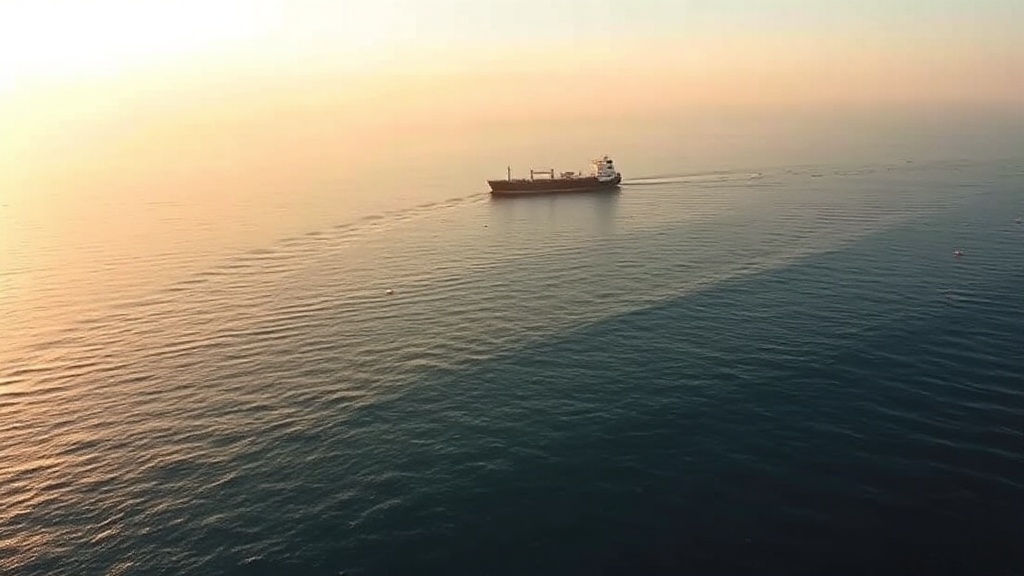
For those skeptical of military solutions, the emerging framework — a 60-day ceasefire with deferred negotiations on nuclear and proxy issues — is precisely what critics of the war warned would be the only realistic exit. PBS NewsHour (June 13, 2026) notes the deal would reopen the Strait of Hormuz, whose closure has destabilized global energy markets and hit working families hardest through fuel prices. The war has killed thousands, and a diplomacy-first framework, however imperfect, stops the bleeding while preserving space for harder conversations.
Sources: PBS NewsHour (June 13, 2026), AP News (June 14, 2026)
Right Feed Reality
From a hawkish standpoint, the deal's most glaring weakness is what it surrenders without a guarantee: U.S. and Israeli goals of destroying Iran's missile and nuclear programs and ending its support for proxies appear unmet, according to AP sources (June 14, 2026). The 60-day technical framework on nuclear issues and frozen assets is a delay mechanism, not a resolution — and Iran's ambassador to Mexico (The Hill, June 13, 2026) was already signaling that normalization requires sidelining Israel, a nonstarter. Trump gets a photo-op signing; Iran keeps its centrifuges.
Sources: AP News (June 14, 2026), The Hill (June 13, 2026)
Global POV
International outlets are watching a gap between American optimism and Iranian foot-dragging that could still collapse this deal. BBC News and Al Jazeera (both June 14, 2026) both highlight that while Trump declared the deal would be signed Sunday, Tehran explicitly disputed the timeline — Iran's foreign ministry said it could happen 'in the coming days,' not Sunday. Pakistan's role as a months-long mediator — struggling repeatedly to prevent total negotiation collapse — is barely registering in American coverage, even though Islamabad's diplomacy is the only reason talks exist at all.
Sources: BBC News (June 14, 2026), Al Jazeera (June 14, 2026), AP News (June 14, 2026)
What Your Feed Is Hiding
The deal being celebrated by both Trump and Iranian state media as a potential historic breakthrough explicitly defers Iran's nuclear program, frozen assets, missile arsenal, and proxy networks to a 60-day follow-on negotiation — meaning every issue that actually drove the war remains unresolved. Per AP sources (June 14, 2026), U.S. and Israel 'appear to have fallen short of their original goals' and it is 'not clear how the deal will address these issues, or if they will be part of the final agreement.' That last clause is doing enormous work: there is no guarantee the 60-day framework produces anything at all. Meanwhile, Israel continued strikes on south Beirut even as the deal was being announced (Al Jazeera, June 14, 2026), suggesting the regional war is not actually over. The uncomfortable fact that both triumphalists and critics are avoiding: this agreement may not be a peace deal — it may be a ceasefire with a 60-day clock ticking toward the same crisis.
Key data: AP News (June 14, 2026): the deal offers only 'a 60-day framework for technical discussions' on nuclear issues and frozen assets, and it is 'not clear how the deal will address' missiles and proxies 'or if they will be part of the final agreement.'
Where They Actually Agree
Across left, right, and international coverage, there is de facto consensus on one thing: the Strait of Hormuz must reopen, and Trump has said it will do so immediately upon signing. Every perspective treats that reopening as the one concrete deliverable — the war's most measurable harm to global markets is also its most addressable. Nobody, left or right, is arguing the Strait should stay closed.
Community Pulse
Is a 60-day negotiating framework a meaningful step toward lasting peace with Iran?
AI-generated analysis based on published sources. TheOtherFeed does not take political positions.