← BackSat, Apr 11
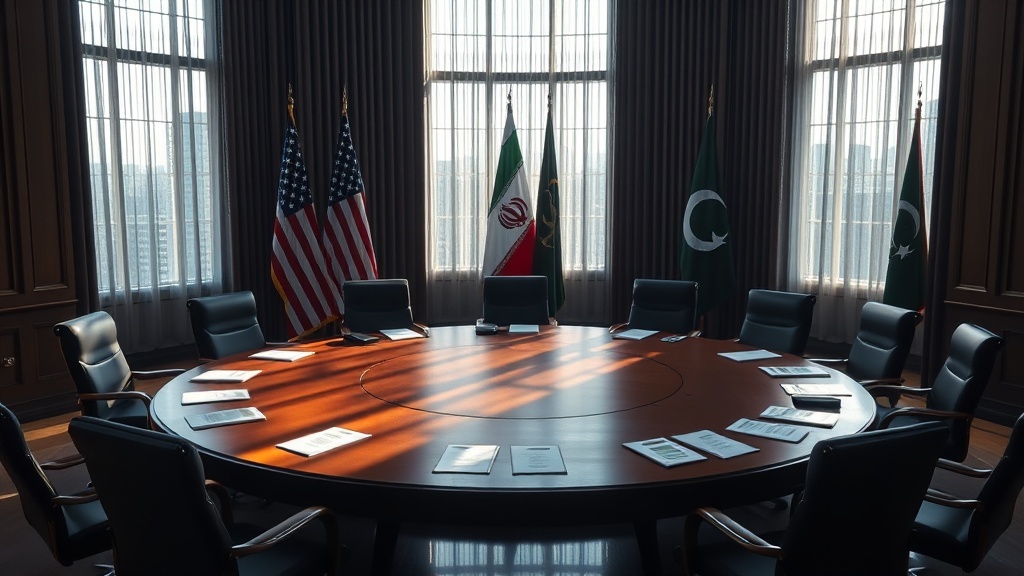
US-Iran peace talks begin in Pakistan as both sides bring competing demands to the table

The five demands neither US nor Iran wants public

Topic: US-Iran peace talks begin in Pakistan as both sides bring competing demands to the tableSat, Apr 11

Left Feed Reality

Trump's rushed diplomacy through Vance risks legitimizing Iran's nuclear program while Israel continues destabilizing strikes in Lebanon. The New York Times (April 11) reports world leaders are pushing to save talks as Israel's attacks threaten the ceasefire, suggesting Trump's approach lacks the multilateral coordination necessary for sustainable peace.

Sources: New York Times, April 11, 2026

VS

Right Feed Reality

Vance leads a seasoned negotiating team including Steve Witkoff and Jared Kushner to secure American interests against Iranian aggression. Fox News (April 11) emphasizes the 'fragile' ceasefire is already 'teetering,' positioning the talks as necessary to prevent Iran from breaking the truce and resuming attacks on US allies.

Sources: Fox News, April 11, 2026

Global POV

International outlets frame this as Vance's career-defining moment amid impossible conditions. The BBC (April 11) details how he must balance 'warring factions, a demanding boss and his own political future,' while DW News (April 10) reports Iran has already threatened to break the truce over Israel's Lebanon strikes, highlighting the talks' precarious foundation.

Sources: BBC News, April 11, 2026, DW News, April 10, 2026

What Your Feed Is Hiding

The talks are proceeding despite the Strait of Hormuz remaining closed for two weeks, choking off approximately 21% of global petroleum liquids transit according to EIA data. While all sides focus on ceasefire violations and negotiating positions, none acknowledge that the continued closure costs the global economy an estimated $200 million per day in delayed shipments and rerouted cargo. This economic pressure actually strengthens Iran's negotiating position by demonstrating their leverage over global energy markets, yet no US outlet is explaining why America agreed to talks while this costly blockade continues.

Key data: Strait of Hormuz closure blocking 21% of global petroleum transit for two weeks

Where They Actually Agree

All perspectives acknowledge the ceasefire is extremely fragile and could collapse at any moment. Both left and right-leaning sources, along with international outlets, agree that Israel's continued strikes in Lebanon pose the most immediate threat to the negotiations, though they disagree on whether this strengthens or weakens America's position.

Community Pulse

Should the US continue negotiations while Iran keeps the Strait of Hormuz closed?

AI-generated analysis based on published sources. TheOtherFeed does not take political positions.