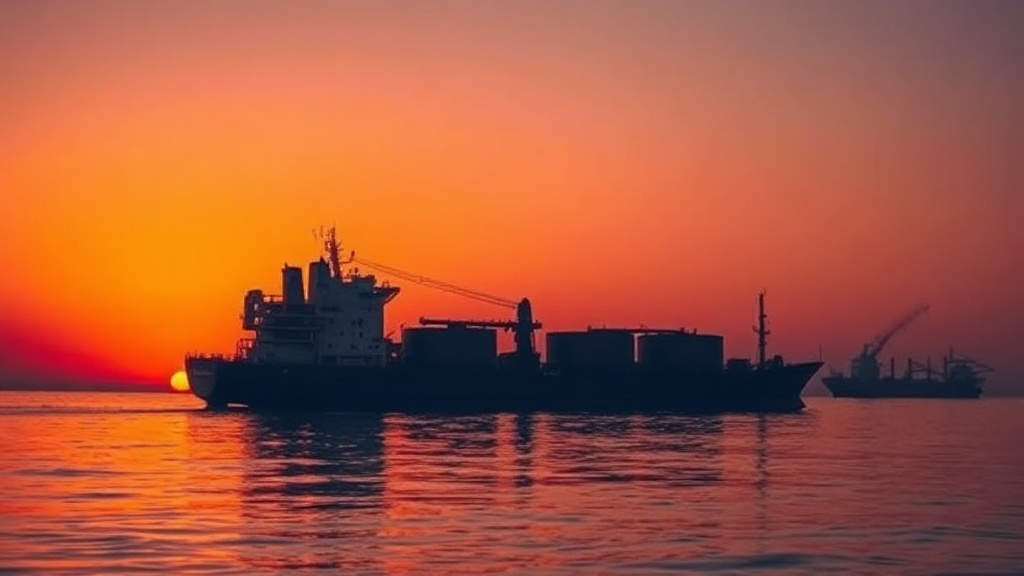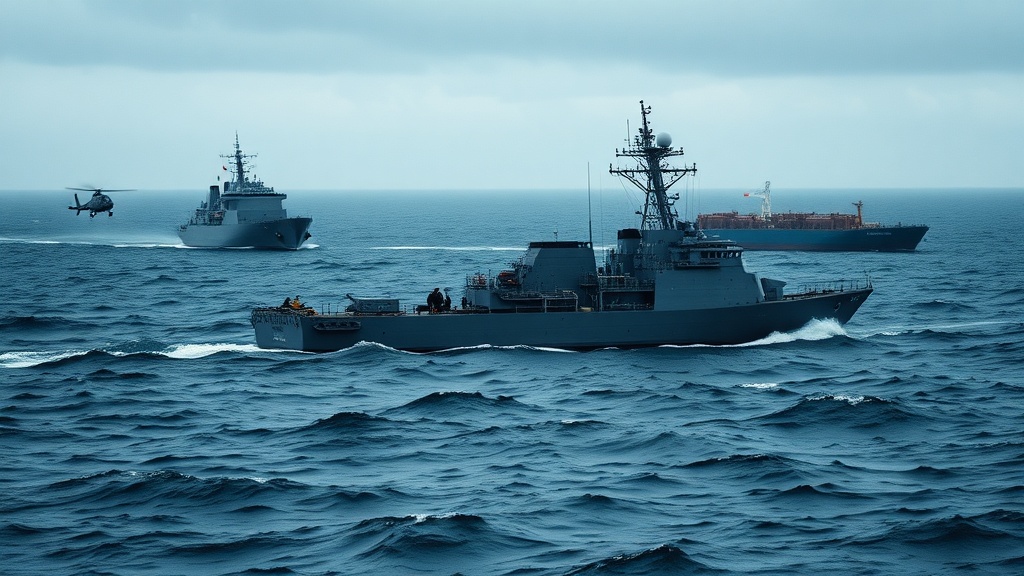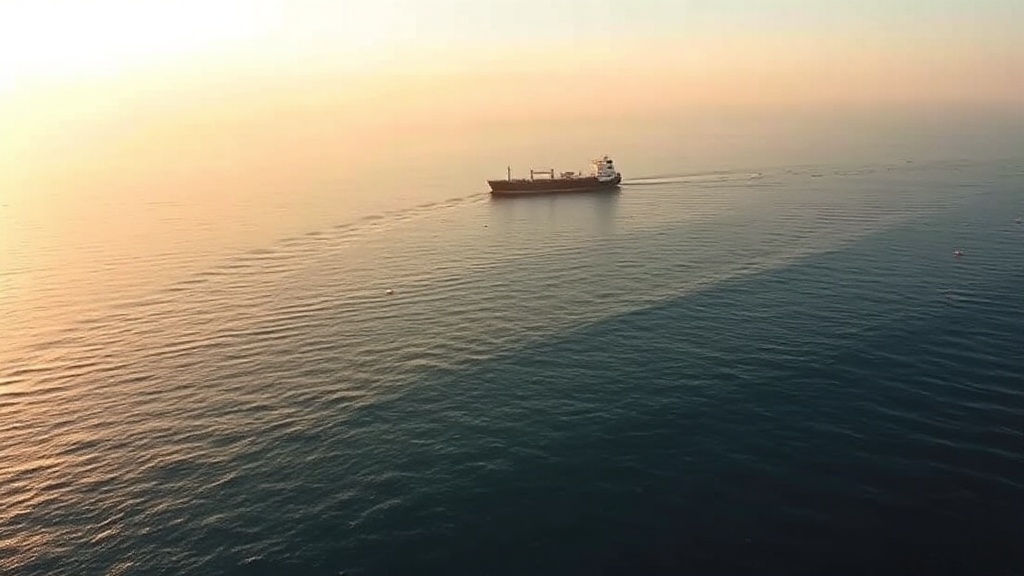
Both sides declared victory. The mines in Hormuz say otherwise.
Left Feed Reality
The Guardian and Washington Post frame this as a war that ended without achieving its stated goal: the deal leaves Iran's leadership intact and its nuclear future unresolved, subject to further negotiations over the next 60 days. The Washington Post (June 15) notes bluntly that 'Trump sought to break Iran's regime' and settled for reopening Hormuz — a significantly lower bar than the administration's original rhetoric. For the left, the lesson is that 15 weeks of war, energy market disruption, and airstrikes on Beirut's southern suburbs (documented by AP, June 15) produced a framework that diplomacy might have achieved without the shooting.
Sources: Washington Post (June 15, 2026), The Guardian US (June 15, 2026), AP News (June 15, 2026)
Right Feed Reality
Fox News and Breitbart frame the deal as a historic Trump victory: a naval blockade lifted, the Strait of Hormuz reopened, and VP Vance declaring Iran will 'never have a nuclear weapon' (Breitbart, June 14). Trump's Truth Social post promised the opening would happen 'upon the signing of the Deal on Friday, for purposes of mine removal' — framing the sequencing not as a failure but as disciplined leverage. Breitbart emphasizes that the agreement was mediated by Pakistan, Qatar, Egypt, and Turkey, casting Trump as the dealmaker who ended a 107-day conflict and unlocked 20% of global oil and LNG supply.
Sources: Fox News (June 15, 2026), Breitbart (June 15, 2026), Breitbart (June 14, 2026)
Global POV
Al Jazeera (June 15) notes both sides are claiming victory simultaneously — a structural warning sign in any peace deal. France24 reports the deal delivered 'what Tehran wanted': an end to the US naval blockade and a halt to hostilities in Lebanon, both of which were Iranian preconditions. DW News flags that even with a deal signed, oil prices and supplies may take months to stabilize because mines remain in the Strait, infrastructure needs repair, and shipping confidence must be rebuilt. The formal signing isn't until Friday in Switzerland — meaning four days of implementation vacuum during which Israel is still bombing Beirut suburbs and refusing to withdraw from 1,000 square kilometers of seized Lebanese, Syrian, and Gazan territory (AP, June 15).
Sources: Al Jazeera (June 15, 2026), France24 (June 15, 2026), DW News (June 15, 2026), AP News (June 15, 2026)
What Your Feed Is Hiding
Every narrative — Trump's triumph, Iran's resistance win, Europe's relief — depends on the Strait of Hormuz actually reopening, and that is not guaranteed by any document signed or unsigned. The mines Iran placed in the Strait remain in the water as of June 15 (DW News), and Trump himself acknowledged on Truth Social that reopening would happen only 'upon the signing of the Deal on Friday, for purposes of mine removal' — meaning the world's most important 21-mile waterway, which before the war handled roughly 20% of global oil and LNG (Axios, June 14), stays blocked through at least Friday. Meanwhile, Israel's Defense Minister Katz declared Israel would remain 'indefinitely' in 1,000 square kilometers of Lebanon, Syria, and Gaza (AP, June 15), and Iran has tied the interim deal to halting Israeli attacks on Hezbollah — a condition the US cannot deliver. Senator Lindsey Graham publicly said on June 15 that the US and Iran have 'different views' of what the deal actually says. A memorandum of understanding with no shared interpretation, an unsigned ceremony still four days away, mines in the water, and a third-party belligerent refusing to stand down is not a peace deal — it is a ceasefire with a press release.
Key data: Strait of Hormuz handled ~20% of global oil and LNG pre-war (Axios, June 14, 2026); mines remain in the Strait as of June 15 (DW News); Trump stated reopening conditional on Friday signing 'for purposes of mine removal'; Israeli Defense Minister Katz says Israel stays 'indefinitely' in 1,000 sq km of seized territory (AP, June 15, 2026).
Where They Actually Agree
Every outlet across the political spectrum — Fox News, The Guardian, AP, Al Jazeera — agrees that the Strait of Hormuz carries roughly 20% of global oil and LNG and that its reopening would materially ease the global energy crisis. All outlets also agree the deal is a framework, not a final treaty, and that the nuclear question has been explicitly deferred to negotiations over the next 60 days — meaning the war's core stated trigger remains unresolved regardless of which side's framing you accept.
Community Pulse
Do you think the US-Iran memorandum of understanding will survive to a final signed treaty without collapsing?
AI-generated analysis based on published sources. TheOtherFeed does not take political positions.