Peace text agreed, drones still flying: what both sides aren't saying
Left Feed Reality
The progressive and center-left framing, amplified by NYT reporting on June 13, 2026, stresses that Iran's post-war leadership is more hardened and risk-tolerant than the regime America and Israel thought they were pressuring — meaning any deal locks in a more dangerous adversary, not a defeated one. NYT correspondents note that despite U.S. military assistance, commercial traffic through the Strait of Hormuz remains far below pre-war levels, with Trump's claimed 200-vessel transit figure still a fraction of normal throughput. The implication: diplomatic optimism is outrunning reality on the ground, and the administration's 'close doesn't count' problem — flagged by Mideast expert Alan Eyre at the Middle East Institute in a June 12 PBS segment — means premature celebration could collapse fragile momentum.
Sources: NYT, June 13, 2026, PBS NewsHour, June 12, 2026
Right Feed Reality
The right-leaning framing, anchored in Breitbart's June 12 White House press call reporting, argues Trump is on the verge of achieving what his predecessors never could: a binding agreement that structurally prevents Iran from ever acquiring a nuclear weapon, not merely delays it. Iranian Foreign Minister Abbas Araghchi's own declaration that a deal 'has never been closer,' combined with Pakistan's prime minister confirming a final agreed-upon text on June 13, provides external validation that the maximum-pressure campaign and military action produced genuine concessions. Breitbart frames this as the 'Art of the Deal' — coercive diplomacy yielding results that the Obama-era JCPOA framework explicitly failed to deliver.
Sources: Breitbart, June 12, 2026, Breitbart, June 13, 2026, The Hill, June 13, 2026
Global POV
International outlets covering day 106 of the Iran war — Al Jazeera and DW both on June 13 — emphasize that 'dozens of promised peace deals' have preceded this moment without resolution, and that fighting in the Strait of Hormuz and Lebanon continued even as diplomats announced breakthroughs. DW specifically notes the global economy remains 'captive to the conflict,' with the effective closure of the Strait of Hormuz — a chokepoint for roughly 20% of global oil flows — persisting despite Trump's transit claims. Al Jazeera frames Trump's posture as seeking an 'off-ramp' from a war whose costs now exceed its leverage, suggesting the deal benefits Washington strategically as much as Tehran.
Sources: Al Jazeera, June 13, 2026, DW News, June 13, 2026, DW News, June 12, 2026
What Your Feed Is Hiding
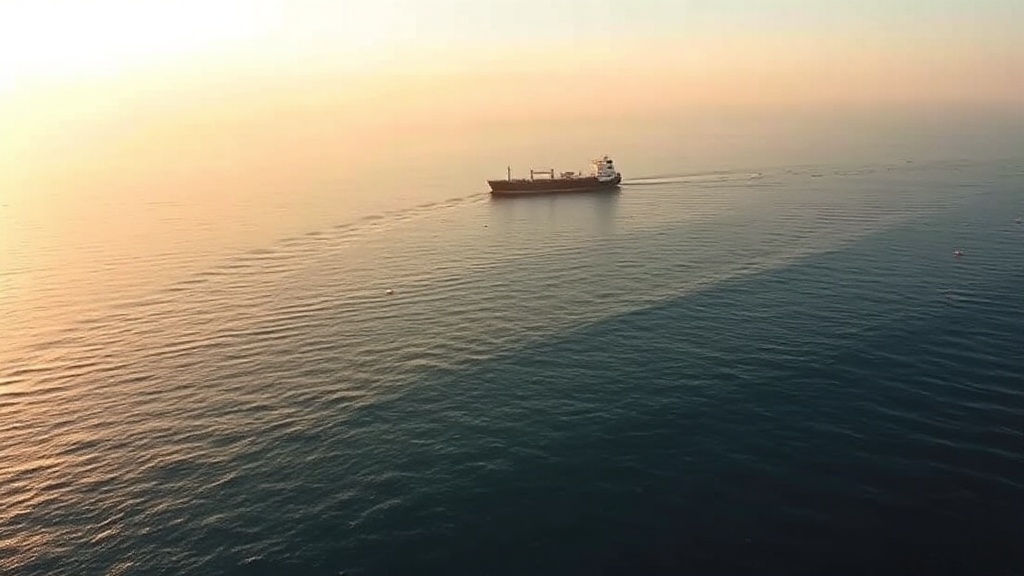
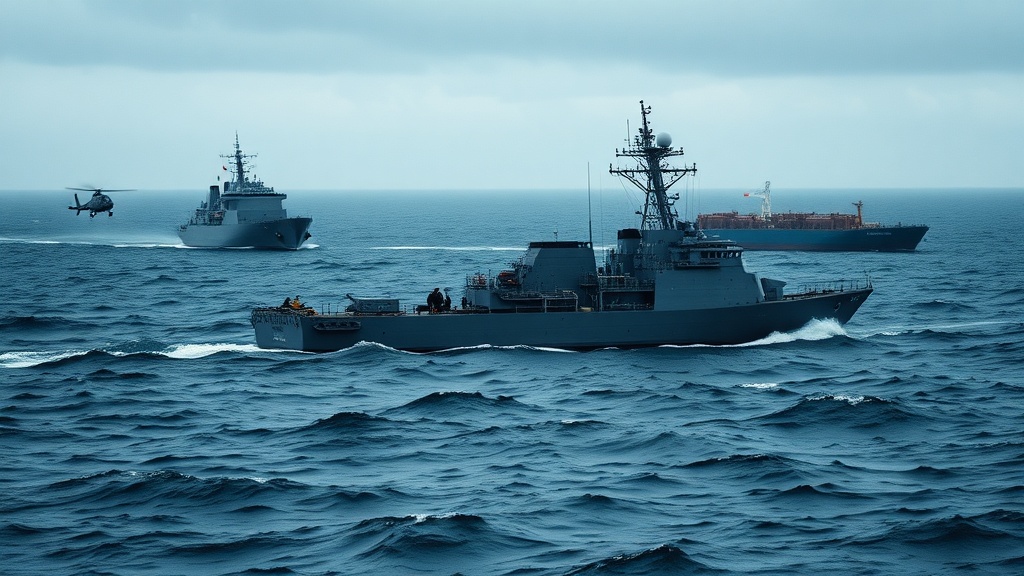
Every narrative — triumphalist right, cautionary left, war-weary international — is built on the same optimistic premise: that a 'final agreed text' means a deal is actually close. But NPR's June 12 reporting notes this is 'just the latest salvo in a series of whiplash proclamations,' with Trump having previously canceled planned strikes and declared peace imminent multiple times in this conflict alone. Meanwhile, the most inconvenient data point sits in the NYT's own June 13 reporting: despite Trump claiming 200 commercial vessels have safely passed through the Strait of Hormuz, that number is 'still far fewer than before the start of the war' — and the same day that claim circulated, U.S. Centcom confirmed shooting down 'multiple Iranian one-way attack drones' targeting commercial ships in that same strait (The Hill, June 13). The Strait remains functionally contested. Both governments have an incentive to announce proximity to a deal — Iran to relieve military pressure, Trump to claim a historic win — without either side yet paying the domestic political cost of the concessions that would make it real.
Key data: Centcom confirmed shooting down 'multiple Iranian one-way attack drones' in the Strait of Hormuz on June 13, 2026 — the same day both governments declared a deal 'never been closer.' (The Hill, June 13, 2026)
Where They Actually Agree
Across all three perspectives, there is tacit consensus that the war's costs — for the global economy, for regional stability, and for U.S. military resources — have become unsustainable, and that some form of negotiated end is preferable to continued open conflict. Left, right, and international sources all accept Pakistan's mediation role as legitimate and the 'final agreed text' framing as meaningful enough to report seriously, rather than dismiss outright. The disagreement is over whether the deal actually holds — not whether it needs to happen.
Community Pulse
Do you believe the current US-Iran deal framework will result in a signed, binding agreement within 30 days?
AI-generated analysis based on published sources. TheOtherFeed does not take political positions.