Ukraine threatens Israel sanctions over 'stolen' Russian grain shipments
Left Feed Reality
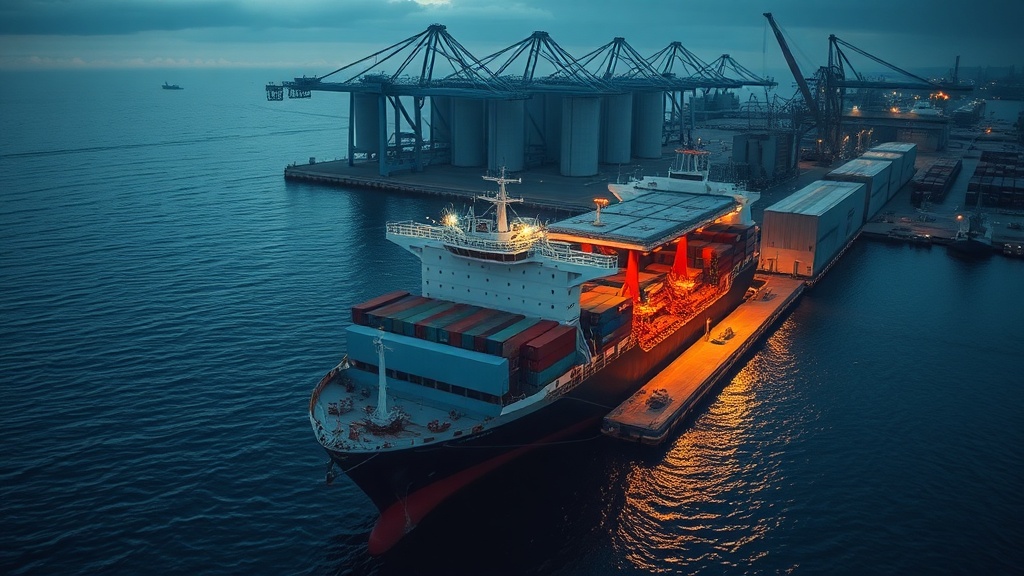
Ukraine's accusations expose Israel's complicity in legitimizing Russian war crimes through commercial channels. Zelenskyy directly called Israel's grain purchases 'stolen goods' on April 28, with EU officials threatening sanctions against those involved in the trade. This represents a clear case where economic interests override moral obligations to support an invaded democracy.
Sources: Euronews (April 28, 2026), DW News (April 28, 2026)
Right Feed Reality
Israel's Foreign Minister has categorically denied receiving evidence that any vessel with stolen Ukrainian grain reached Haifa port. Without concrete proof of origin, Ukraine's accusations appear politically motivated rather than evidence-based. Israel maintains it follows international law and has received no verification that grain shipments violate any treaties or sanctions regimes.
Sources: BBC News (April 28, 2026)
Global POV
The dispute reveals fractures in the anti-Russia coalition as food security concerns clash with wartime solidarity. European outlets emphasize that Russian 'shadow fleet' vessels are circumventing sanctions through complex supply chains that obscure grain origins. The controversy highlights how Russia weaponizes food exports to create diplomatic divisions among its opponents.
Sources: Euronews (April 28, 2026), BBC News (April 28, 2026)
What Your Feed Is Hiding
The grain controversy exposes a deeper problem neither side wants to address: the global food system makes stolen grain virtually untraceable once it enters international markets. Multiple vessel transfers, port-of-origin laundering, and commodity blending mean that by the time grain reaches its final destination, proving its Ukrainian origin becomes nearly impossible. Israel may genuinely not know the grain's source, while Ukraine cannot definitively prove theft without access to shipping manifests that are routinely falsified. The real issue is that current international trade law has no mechanism to track agricultural commodities through shadow fleet operations.
Key data: Russian shadow fleet vessels routinely transfer cargos multiple times to obscure origins
Where They Actually Agree
Both sides agree that Russian actions in occupied Ukrainian territories violate international law and that any legitimate grain trade should be transparent about origins. Neither Israel nor Ukraine disputes that Russia is exploiting Ukrainian agricultural resources in occupied regions.
Community Pulse
Should countries be held liable for purchasing goods that may have been stolen in war zones?
AI-generated analysis based on published sources. TheOtherFeed does not take political positions.