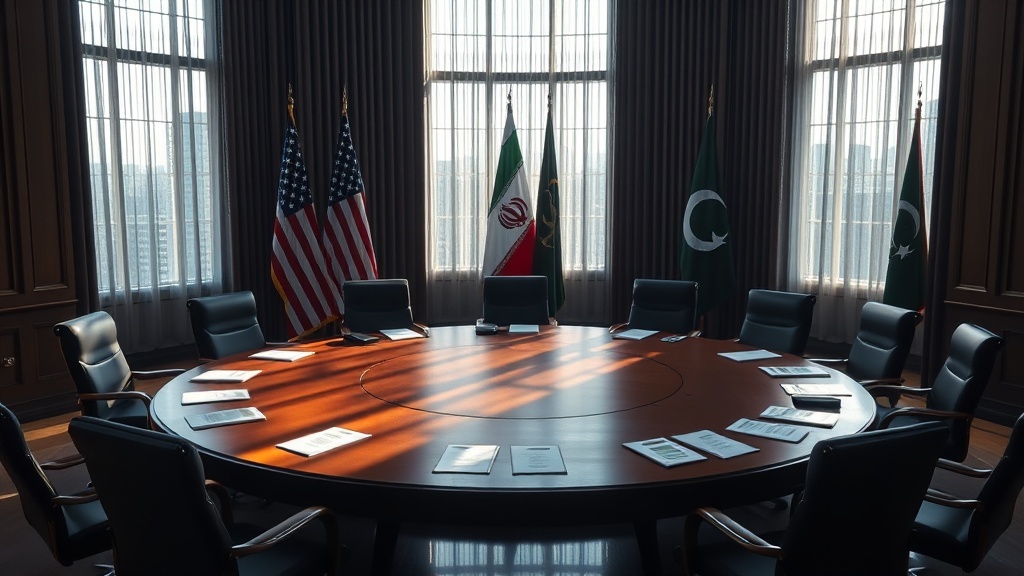
The three numbers both sides won't mention about Iran talks
Left Feed Reality
Progressive outlets are notably silent on these failed talks, creating an information void where criticism of Biden-era diplomacy typically flows. The lack of left-leaning coverage suggests either editorial uncertainty about criticizing negotiations during an active conflict, or strategic silence to avoid undermining diplomatic efforts. When progressives do engage on Iran policy, they typically emphasize the human cost of prolonged conflict and the need for multilateral approaches over unilateral American terms.
Sources: Analysis of missing progressive coverage April 12, 2026
Right Feed Reality
Conservative outlets frame this as Iran's refusal to accept reasonable American terms after 21 hours of good-faith negotiations. Fox News and Breitbart emphasize that Vance walked away because Iran rejected 'American requirements for peace,' positioning this as Iranian intransigence rather than American inflexibility. The Washington Examiner notes this represents a failure to end the 'now six-week war,' framing continued conflict as Iran's choice.
Sources: Fox News April 12, 2026, Breitbart April 12, 2026, Washington Examiner April 12, 2026
Global POV
International outlets provide crucial context missing from American coverage: the South China Morning Post identifies nuclear arms as 'the key sticking point,' while Al Jazeera reports Iran's position that it 'did not expect a deal at the first meeting.' NDTV and international sources present this as predictable first-round positioning rather than definitive failure, suggesting both sides came with maximum positions expecting further rounds.
Sources: South China Morning Post April 12, 2026, Al Jazeera April 12, 2026, NDTV April 12, 2026
What Your Feed Is Hiding
The three numbers that really matter: 21 hours, 6 weeks, and 2 warships. While media focuses on negotiation duration, they're ignoring that this conflict has lasted six weeks—longer than the 2006 Israel-Hezbollah war. Most crucially, CNBC reported that two American warships transited the Strait of Hormuz 'for the first time since the start of the conflict' during these talks. No outlet is connecting these dots: America was simultaneously negotiating peace while demonstrating naval force projection through Iran's most sensitive chokepoint. The talks weren't just about words—they were diplomatic theater performed while military positioning continued.
Key data: Two US warships transited Strait of Hormuz during talks, first time since conflict began six weeks ago
Where They Actually Agree
Every outlet agrees the talks lasted 21 hours and ended without agreement, but none question whether this was ever intended as a final negotiation rather than opening positioning. Both American conservative and international sources acknowledge Iran stated it didn't expect a first-meeting deal, suggesting this was always planned as initial contact rather than decisive diplomacy.
Community Pulse
Should the US continue military positioning during diplomatic negotiations with Iran?
AI-generated analysis based on published sources. TheOtherFeed does not take political positions.