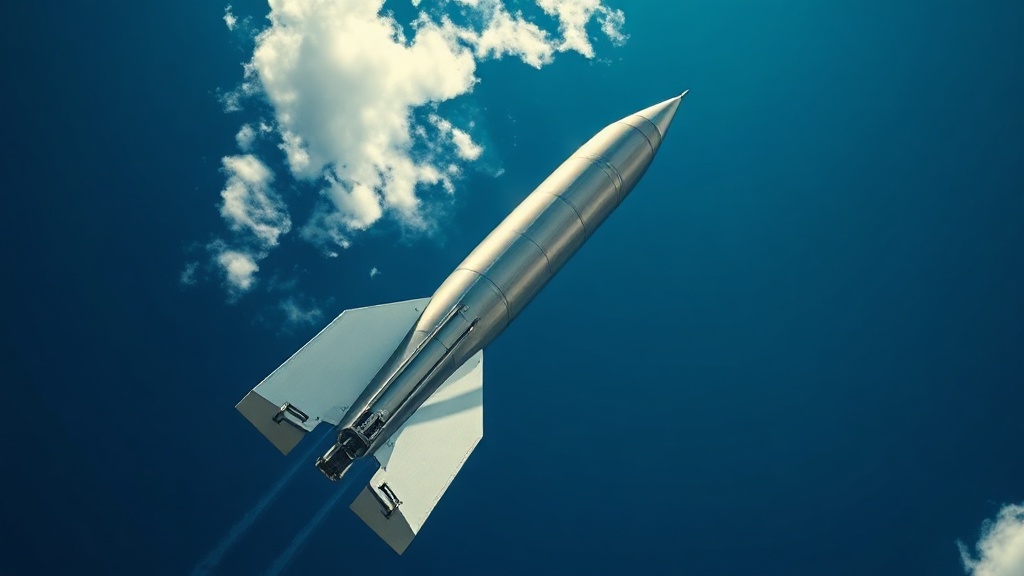
SpaceX's biggest rocket succeeds despite losing $100M booster
Mainstream View
SpaceX successfully launched its most powerful Starship V3 on May 23, 2026, demonstrating critical NASA Artemis program capabilities. The rocket completed its primary mission objectives including releasing 20 mock Starlink satellites and reaching the Indian Ocean target zone despite some engine trouble. NASA Administrator Jared Isaacman called it a step closer to lunar missions.
Sources: AP News May 23, 2026
Contrarian View
TechCrunch reported the mission as only 'mostly successful' after SpaceX lost the booster during return operations. This represents a significant setback for the reusability goals that are central to SpaceX's cost advantage and Mars mission economics. The booster loss undermines the sustainability model that differentiates Starship from traditional expendable rockets.
Sources: TechCrunch May 22, 2026
Global Research
International coverage emphasized the pre-IPO timing, with the Financial Times noting this was a technology demonstration for 'the biggest initial public offering in history.' The launch occurred just two days after Musk announced taking SpaceX public. European outlets focused on the rocket being the largest and most powerful in history, with BBC documenting the planned fiery explosion upon Indian Ocean impact.
Sources: Financial Times May 23, 2026, BBC News May 23, 2026
What Your Feed Is Hiding
This was SpaceX's 12th Starship test flight, meaning the company has now destroyed roughly $1.2 billion worth of hardware learning to fly this rocket. While media celebrates each 'successful' test, the pattern reveals SpaceX is essentially running the world's most expensive flight school at public and investor expense. The booster loss alone represents approximately $100 million in hardware, yet this is framed as progress because the upper stage reached its target before exploding as planned.
Key data: $1.2 billion in destroyed hardware across 12 test flights
Where They Actually Agree
All perspectives agree this represents meaningful technical progress toward NASA's Artemis lunar program goals. Both supporters and critics acknowledge Starship V3 successfully demonstrated improved capabilities over previous versions, completing primary mission objectives despite the booster loss.
Community Pulse
Should NASA rely on Starship for Artemis lunar missions given the test flight record?
AI-generated analysis based on published sources. TheOtherFeed does not take political positions.