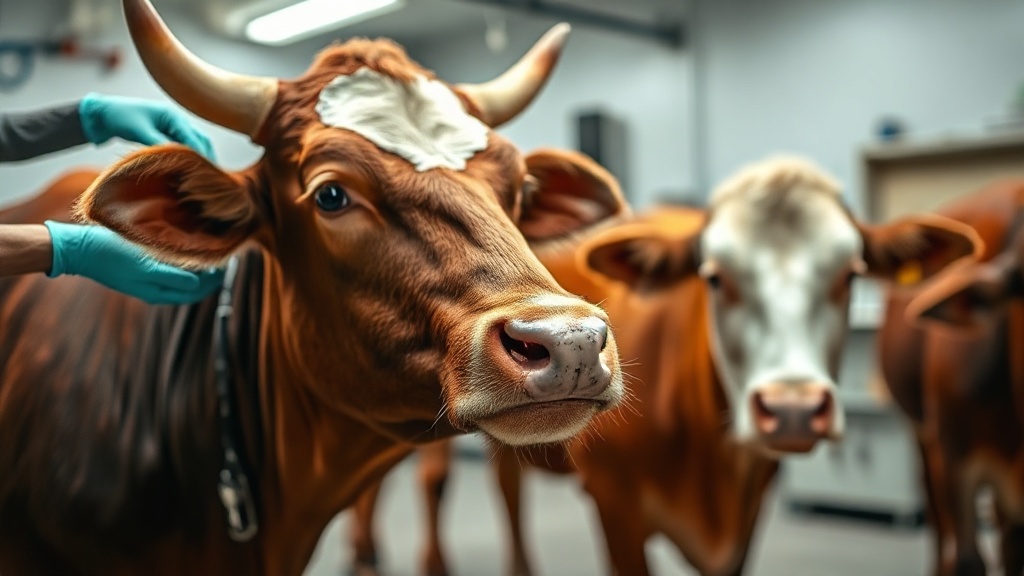
Flesh-eating screwworm breaches Texas border after 60-year absence
Mainstream Medicine
The USDA confirmed the first New World screwworm detection in South Texas since 1966, marking only the third U.S. appearance in decades. The parasitic fly's larvae consume living flesh in livestock, wildlife, and humans, representing a significant veterinary and public health threat that was previously eradicated through coordinated international programs.
Sources: USDA (June 4, 2026), Phys.org (June 4, 2026)
Alternative View
Border security failures enabled this parasitic invasion from Mexico, where screwworm populations persist despite decades of supposed control programs. The breach demonstrates how porous borders threaten not just immigration policy but biosecurity, with flesh-eating parasites now crossing the same routes as other threats.
Sources: Daily Wire (June 3, 2026), Ars Technica (June 4, 2026)
Research Frontier
Climate change and shifting migration patterns are expanding the range of tropical parasites northward, making previously eradicated species viable in new territories. Scientists are studying whether warming temperatures in South Texas created conditions favorable for screwworm establishment, potentially signaling broader ecological disruptions ahead.
Sources: Euronews (June 4, 2026), CNBC (June 4, 2026)
What Your Feed Is Hiding
The screwworm was never actually eradicated — it was contained through continuous releases of sterile males that cost U.S. taxpayers $8 million annually in Panama alone. The Texas detection reveals this expensive containment strategy failed, but no major outlet mentions the ongoing financial commitment or discusses what happens when the biocontrol infrastructure breaks down. The parasite's return exposes decades of quiet dependency on a fragile, expensive system most Americans didn't know existed.
Key data: $8 million annual cost for sterile male releases in Panama
Where They Actually Agree
All perspectives agree this represents the first confirmed screwworm detection in the U.S. since 1966 and poses genuine threats to livestock and potentially humans. Every source acknowledges the parasitic larvae consume living flesh and that this marks a significant breach of longstanding containment efforts.
Community Pulse
Should the U.S. increase funding for border biosecurity monitoring?
AI-generated analysis based on published sources. TheOtherFeed does not take political positions.