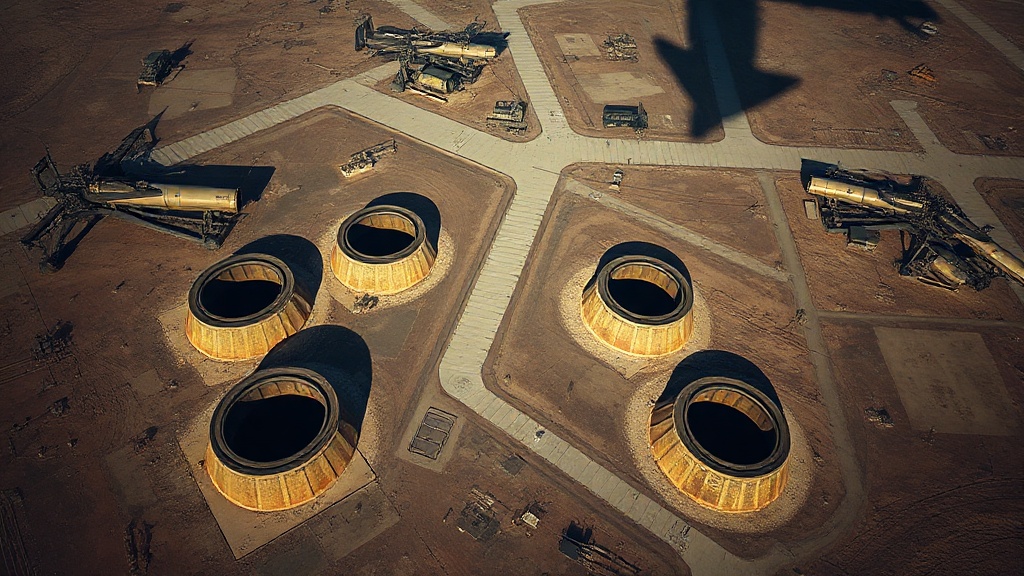
U.S. used 1,000 missile interceptors, made 172 this year
Left Feed Reality
The Iran war has exposed the dangerous consequences of decades of military overstretch and underinvestment in defense production capacity. CSIS analysis shows interceptor stockpiles won't be replenished until 2029, leaving allies like Ukraine desperately vulnerable to Russian missile barrages. This crisis demonstrates the need for diplomatic solutions and sustainable defense spending rather than endless military interventions that drain critical resources.
Sources: Axios (May 28, 2026)
Right Feed Reality
Trump's massive $1.5 trillion defense budget proposal addresses a critical national security gap created by years of inadequate military investment. The Pentagon successfully defended America and won the Iran war despite supply constraints, proving U.S. military superiority. The interceptor shortage is a temporary logistics challenge that robust defense spending and American manufacturing capacity will solve by 2029.
Sources: Axios (May 28, 2026)
Global POV
U.S. weapons depletion has created a strategic vulnerability that adversaries like Russia and China are already exploiting. Zelensky's urgent letter to Trump reveals how dependent allies have become on American interceptors, with Ukraine acknowledging it relies 'almost exclusively' on the U.S. for ballistic missile defense. This supply crisis weakens the entire Western defense architecture at a critical moment.
Sources: Axios (May 28, 2026)
What Your Feed Is Hiding
The interceptor shortage reveals a fundamental math problem both parties ignore: U.S. defense contractors delivered only 172 Patriot missiles in fiscal 2026 while the Iran war consumed over 1,000. Even with Trump's $1.5 trillion budget boost, production won't catch up until 2029. Meanwhile, Ukraine's desperate plea for interceptors after Russian missile barrages shows allies are paying the price for America's Middle East focus, creating exactly the multi-front vulnerability Pentagon strategists have long warned against.
Key data: 172 Patriot interceptors delivered vs. 1,000+ used in Iran war
Where They Actually Agree
All sides acknowledge the interceptor shortage is real and poses serious risks to U.S. allies. Both left and right agree that ramping up domestic production capacity is essential, though they disagree on the timeline and funding mechanisms. Everyone recognizes that allies like Ukraine are bearing the immediate cost of depleted American stockpiles.
Community Pulse
Should the U.S. prioritize missile defense for allies over offensive operations in future conflicts?
AI-generated analysis based on published sources. TheOtherFeed does not take political positions.