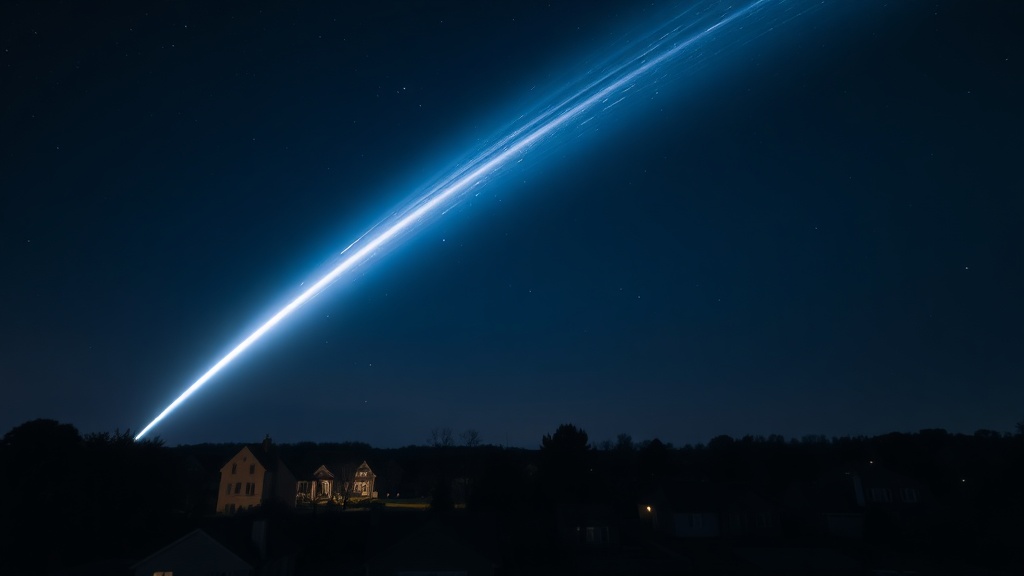
Massachusetts meteor broke apart—but why didn't anyone see it coming?
Mainstream View
The Massachusetts event fits standard meteor behavior patterns that space agencies track globally. NBC Boston reported experts confirmed the sonic boom heard May 30th matched typical atmospheric entry signatures. Small meteors like this one regularly penetrate Earth's atmosphere undetected until they create audible booms during breakup.
Sources: NBC Boston May 30, 2026
Contrarian View
Detection gaps reveal concerning weaknesses in planetary defense systems designed to protect against larger threats. Buildings shaking across Massachusetts suggests this object was larger than typical untracked meteors. Current monitoring networks miss objects in this size range that could cause localized damage if they reached the surface.
Sources: DW News May 31, 2026
Global Research
European space agencies document these atmospheric explosions as routine phenomena occurring multiple times monthly worldwide. DW News reported the Massachusetts incident as part of regular meteor activity that global monitoring systems catalog for scientific study. International databases track thousands of similar events annually without public notice.
Sources: DW News May 31, 2026
What Your Feed Is Hiding
The uncomfortable reality is that current detection systems are calibrated for extinction-level threats, not regional damage scenarios. Objects large enough to shake buildings across Massachusetts fall into a monitoring blind spot—too small for planetary defense telescopes focused on kilometer-sized threats, too fast for weather radar systems. This size category could devastate a city block but remains invisible until atmospheric entry creates the sonic signature residents heard May 30th.
Key data: Detection systems miss objects between weather radar capability and planetary defense telescope targets
Where They Actually Agree
All perspectives acknowledge that meteors regularly enter Earth's atmosphere and that the Massachusetts event produced verified sonic signatures. Both mainstream scientists and planetary defense advocates agree current monitoring systems successfully track the largest potential threats to human civilization.
Community Pulse
Should meteor detection systems monitor objects smaller than extinction-level threats?
AI-generated analysis based on published sources. TheOtherFeed does not take political positions.