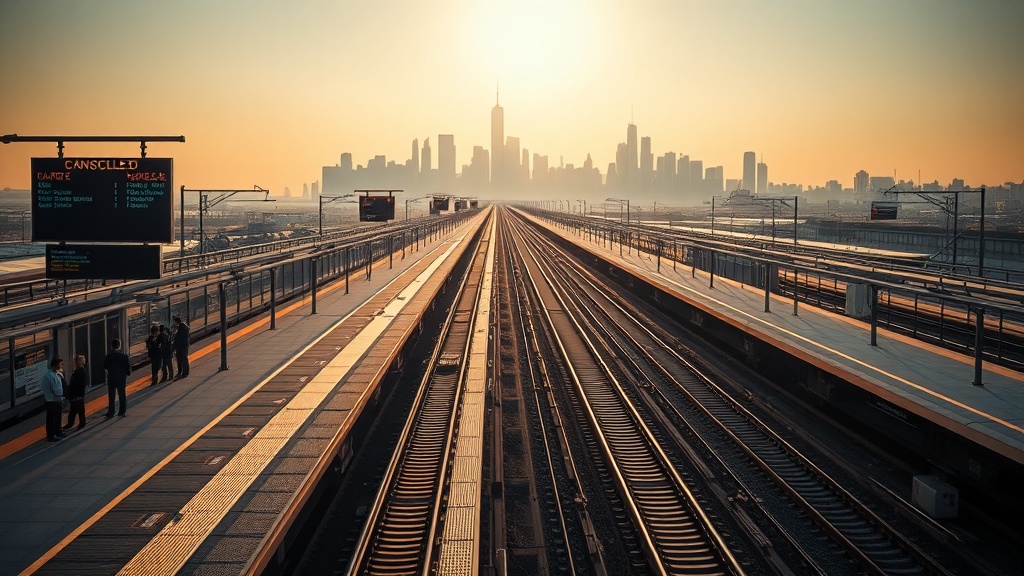
The strike that's stranding 2 million New Yorkers with no backup plan
Bull Case
This strike validates worker leverage in tight labor markets. Five unions representing 3,500 LIRR workers are securing a 5% wage increase demand against MTA's 3% offer, showing organized labor's power when critical infrastructure depends on their skills. The timing maximizes pressure on management while demonstrating that essential workers can successfully negotiate from strength.
Sources: The Hill (May 16, 2026), Daily Wire (May 16, 2026)
Bear Case
This strike exposes dangerous infrastructure vulnerability with zero contingency planning. The LIRR serves 2 million daily commuters with no viable alternatives when half the workforce walks out. Economic disruption cascades through the region while negotiations drag on, proving that essential services need strike-prevention mechanisms or backup systems.
Sources: The Guardian US (May 16, 2026), PBS NewsHour (May 16, 2026)
Global Markets
Transit strikes in major financial centers create measurable productivity losses and supply chain disruptions. The LIRR shutdown affects the New York metropolitan area's economic output, but markets typically price in labor disruption risk for unionized public services. International investors view this as predictable friction in mature labor markets rather than systemic risk.
Sources: Daily Wire (May 16, 2026), The Guardian US (May 16, 2026)
What Your Feed Is Hiding
The 2% wage gap between union demands and MTA's offer amounts to roughly $3.5 million annually across 3,500 workers — less than 0.1% of the MTA's $17 billion operating budget. Yet this microscopic difference is paralyzing a system that generates $2.8 billion in regional economic activity daily. The strike reveals how infrastructure negotiations focus on symbolic victories over actual budget constraints, while commuters bear costs that dwarf the disputed amount.
Key data: $3.5 million annual cost difference represents <0.1% of MTA's $17 billion operating budget
Where They Actually Agree
All perspectives acknowledge that the LIRR strike creates significant disruption for millions of commuters and that negotiations between the five unions and MTA have reached an impasse. Both labor advocates and critics agree that essential transportation infrastructure requires functional dispute resolution, though they differ on whether strikes or binding arbitration better serve that goal.
Community Pulse
Should essential transportation workers have the right to strike?
AI-generated analysis based on published sources. TheOtherFeed does not take political positions.