Israel plants flag on crusader castle 26 years after withdrawal
Left Feed Reality
Israel's capture of Beaufort Castle represents an escalation that violates the ceasefire and expands occupation beyond agreed boundaries. Middle East Eye reports the incursion crosses the "Yellow Line" demarcation zone established in April's ceasefire, while Defense Minister Katz's announcement that troops will remain permanently signals a new security zone. This deepest penetration since 2000 follows intense fighting with Hezbollah and threatens to reignite full conflict.
Sources: Middle East Eye (May 31, 2026)
Right Feed Reality
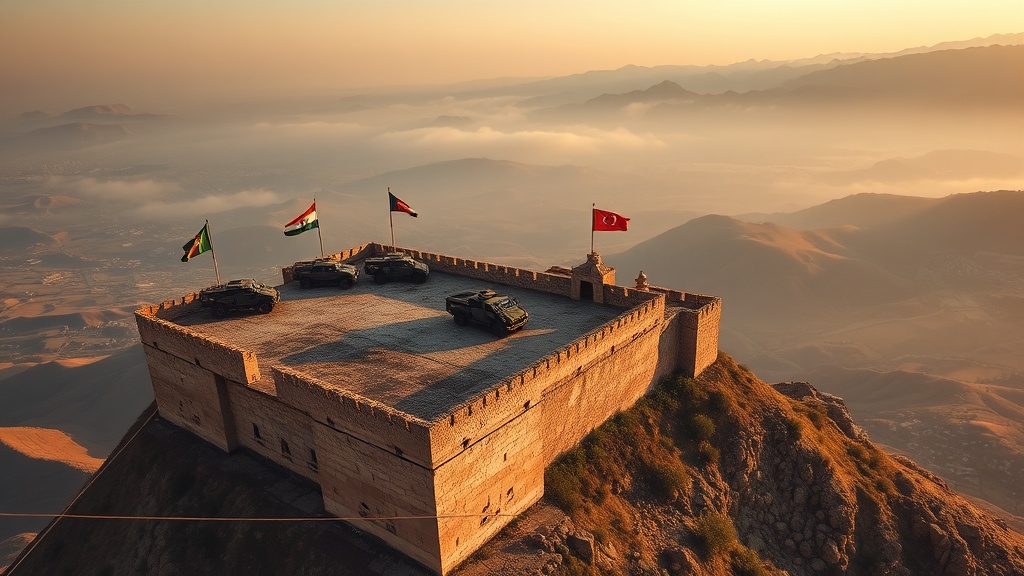
Israel's seizure of Beaufort Castle represents a justified tactical victory securing strategic high ground against Hezbollah threats. Defense Minister Katz describes the capture as significant tactical success, with the castle providing crucial oversight of southern Lebanon and northern Israel. The 900-year-old fortress sits 5km from Nabatieh and offers commanding views that enhance Israel's defensive capabilities after days of fighting Hezbollah forces in the rugged terrain.
Sources: Al Jazeera (May 31, 2026), France24 (May 31, 2026)
Global POV
Israel's capture of the medieval Beaufort Castle marks its deepest Lebanese incursion in over a quarter-century, crossing the Litani River boundary and establishing facts on the ground. France24 and international outlets emphasize the historical significance of Israeli troops planting their flag on the Crusader-built fortress, which Israel previously held from 1982-2000. The move expands Israeli presence beyond previous agreements despite nominal ceasefire conditions.
Sources: France24 (May 31, 2026), NDTV (May 31, 2026)
What Your Feed Is Hiding
Israel's "new" capture of Beaufort Castle is actually a return to positions it held for 18 years until 2000, revealing how both sides are fighting over the same strategic terrain in cyclical patterns. The castle changed hands between Crusaders, Arabs, and modern armies for nine centuries, yet each side frames its latest seizure as a decisive breakthrough. What none emphasize: this exact hilltop has been captured, fortified, and abandoned by occupying forces at least six times since 1100 AD, suggesting the fundamental strategic problem remains unsolved.
Key data: Israel previously held Beaufort Castle from 1982-2000, an 18-year occupation
Where They Actually Agree
All perspectives acknowledge that Beaufort Castle provides crucial strategic oversight of both southern Lebanon and northern Israel, and that this represents Israel's deepest Lebanese penetration since 2000. Both sides also agree this escalates beyond previous ceasefire boundaries, though they interpret the significance differently.
Community Pulse
Should Israel maintain permanent control of Beaufort Castle?
AI-generated analysis based on published sources. TheOtherFeed does not take political positions.