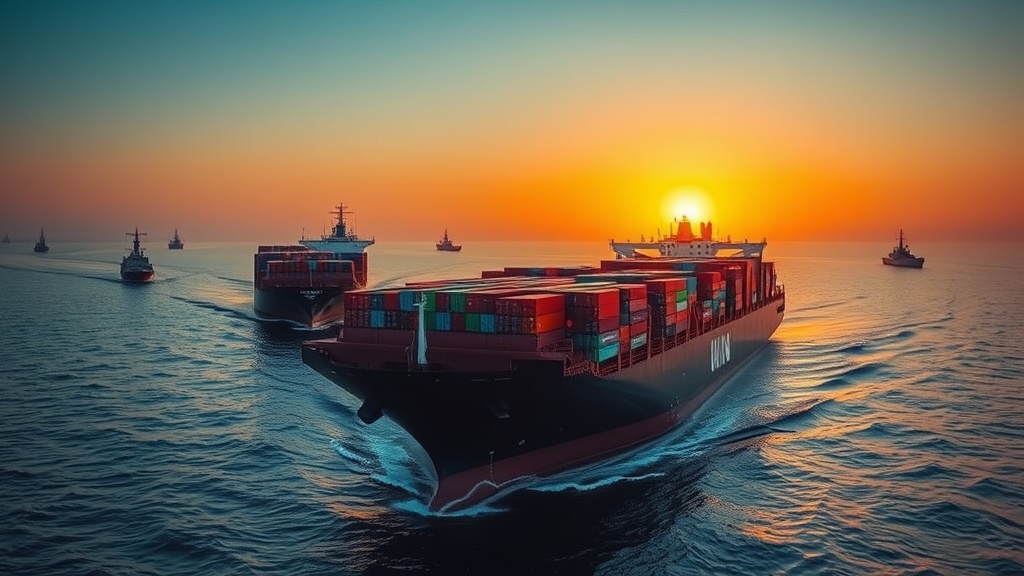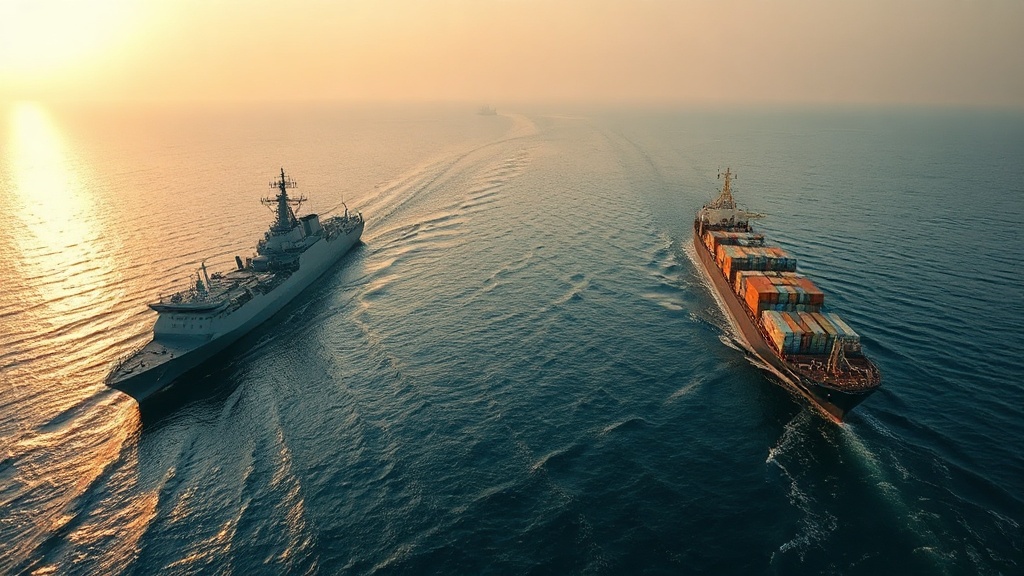
Iran wants tolls to keep Hormuz open. Markets are still guessing.
Iran's envoy to Moscow says the Strait of Hormuz will remain open but with transit fees — a de facto toll on one of the world's most critical oil chokepoints. This has $1B+ financial implications for global energy markets and affects the lives of hundreds of millions of people who depend on oil price stability. Mainstream stake: $1B+ financial implication. Specific primary source: statement by Iran's envoy to Moscow reported June 8. This is being overshadowed by the kinetic exchange of strikes.
Iran's own export revenues depend on Hormuz staying open — the fee proposal is a toll booth, not a shutdown order.
IRGC retaliated against Haifa within one hour of the Karun plant strike — the escalation clock has no snooze button.
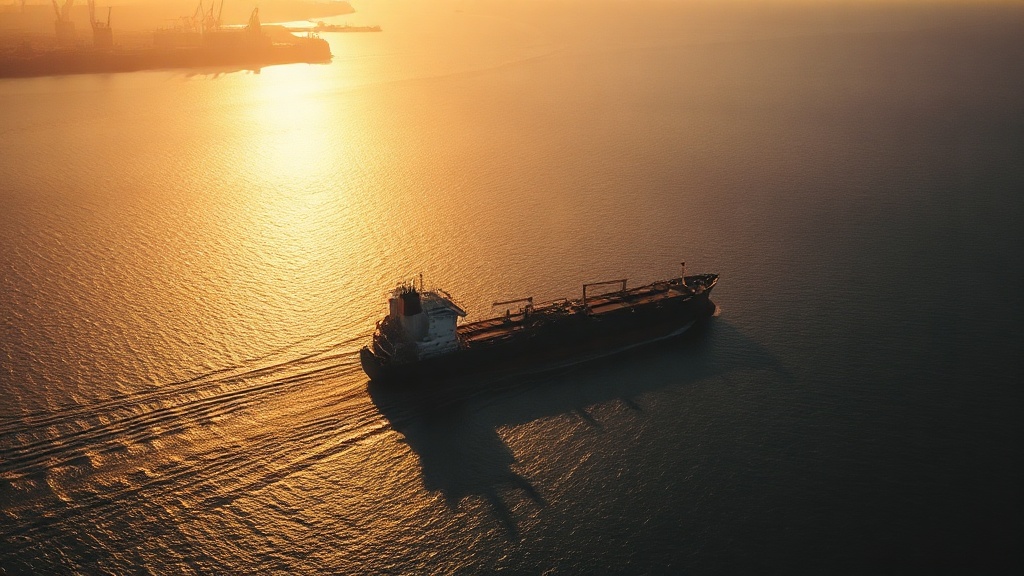
Iran's Moscow envoy floated a permanent Hormuz toll — tanker insurance and LNG contract repricing are already moving faster than spot crude.
Hidden truth: The market priced a blockade threat; it hasn't priced Iran as a permanent toll authority over 20% of global crude — NDTV, June 8.Read the full breakdown →
Is Iran's transit fee proposal a serious long-term policy rather than a short-term negotiating tactic?