← BackTue, Apr 14
The number both sides won't mention in the Hormuz blockade

The $435 million daily cost no one mentions in Iran blockade

Topic: The number both sides won't mention in the Hormuz blockadeTue, Apr 14

Left Feed Reality

The blockade represents dangerous military escalation that risks broader Middle East conflict. Trump's threat to 'sink Iranian ships' and destroy 'attack ships' shows reckless brinksmanship that could drag America into another endless war. The failed peace talks in Pakistan demonstrate diplomacy wasn't given sufficient time to work before resorting to military action.

Sources: NPR (April 13, 2026), Axios (April 13, 2026)

VS

Right Feed Reality

Iran has been illegally profiting from controlling the Strait of Hormuz by charging what Trump correctly calls an 'illegal toll' to ships crossing this vital waterway. The blockade is necessary economic pressure to force Iran back to negotiations and stop their uranium enrichment program. Iran rejected reasonable U.S. proposals for a 20-year moratorium on enrichment, leaving military pressure as the only option.

Sources: NPR (April 13, 2026), Axios (April 13, 2026)

Global POV

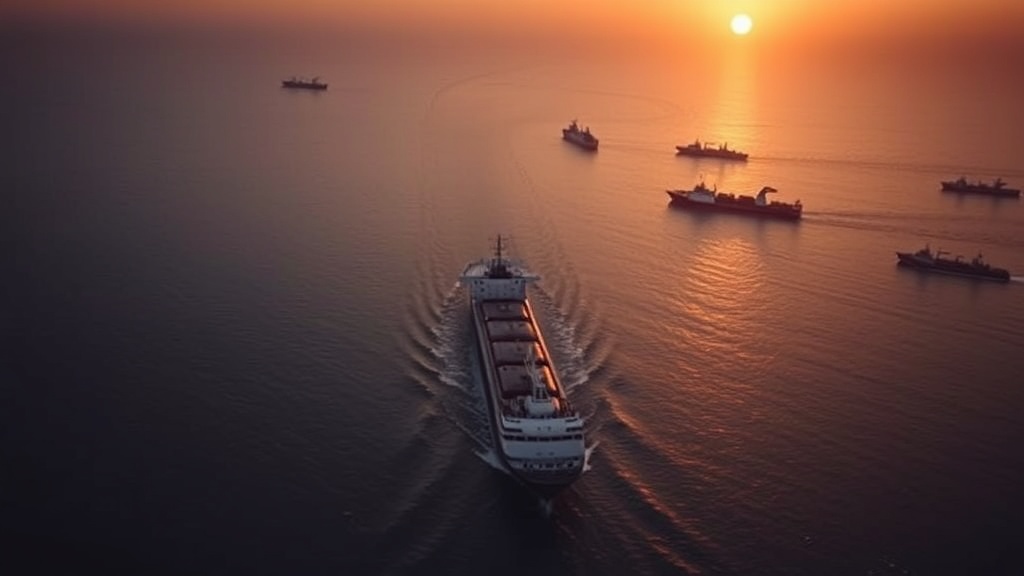
The blockade represents a massive economic gamble that could backfire spectacularly for global trade. International observers question whether strangling Iran's cash flow will actually force compliance or simply escalate tensions further. The U.S. is betting that economic pressure will work where diplomacy failed, but the strategy risks destabilizing the entire region's shipping lanes.

Sources: BBC News (April 13, 2026), Euronews (April 13, 2026)

What Your Feed Is Hiding

The $435 million per day that Iran loses from this blockade, according to NDTV's analysis, isn't just Iranian money—it's global economic leverage that could reshape Middle East power dynamics regardless of who 'wins.' Both hawks celebrating economic warfare and doves condemning military escalation are ignoring that this daily burn rate makes the blockade unsustainable for more than a few months without triggering broader economic consequences. The number reveals this isn't a long-term strategy but a short-term pressure play with a built-in expiration date.

Key data: $435 million per day in estimated Iranian losses from the blockade

Where They Actually Agree

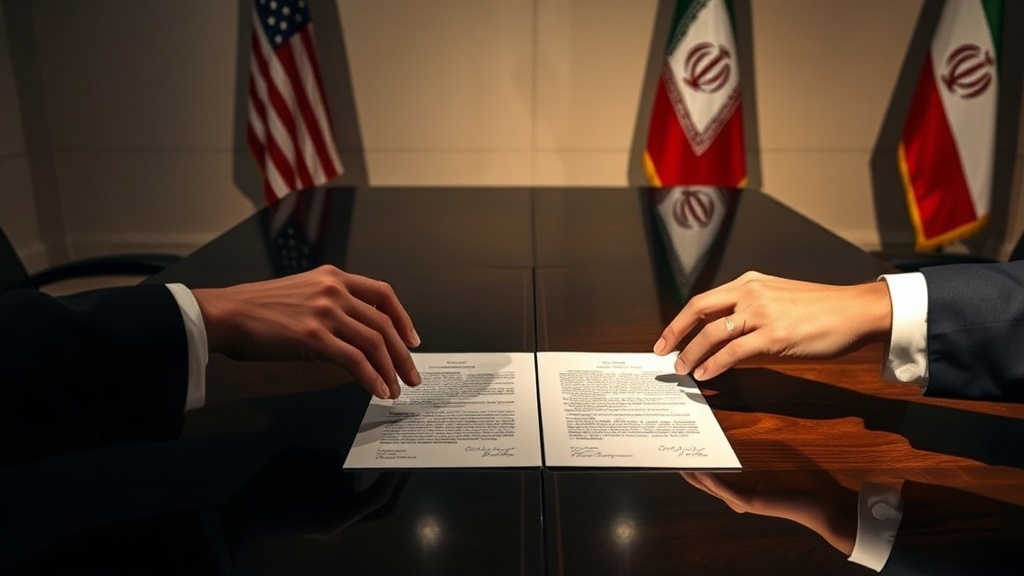
All sides agree that Iran's control over Strait of Hormuz shipping represents a fundamental problem that needs resolution. Both left and right acknowledge that diplomatic talks in Pakistan failed, and even international observers agree that the current situation with Iran charging fees for passage through the strait is unsustainable for global trade.

Community Pulse

Should the U.S. use naval blockades to pressure Iran over nuclear enrichment?
AI-generated analysis based on published sources. TheOtherFeed does not take political positions.