Hegseth calls Congress 'biggest adversary' as Iran war hits $25B
Left Feed Reality
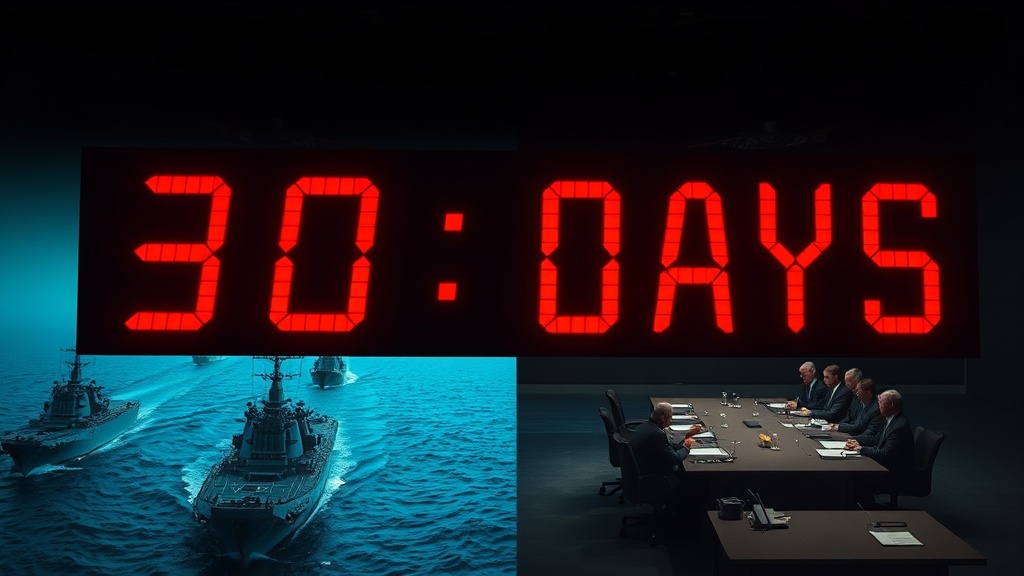
Hegseth's first congressional hearing since the Iran war began exposed the administration's refusal to face scrutiny over a costly, open-ended conflict. The Guardian and Washington Post reported Democrats grilled the defense secretary over the $25 billion price tag and lack of clear exit strategy during the nearly six-hour hearing. Hegseth's combative response—calling lawmakers the 'biggest adversary'—demonstrates the administration's contempt for congressional oversight of military action.
Sources: The Guardian US (April 29, 2026), Washington Post (April 29, 2026), PBS NewsHour (April 29, 2026)
Right Feed Reality
Hegseth rightfully pushed back against defeatist lawmakers who are undermining American resolve while the military maintains strategic pressure on Iran. The defense secretary's strong performance during his House testimony demonstrated leadership under fire, defending the $25 billion investment as necessary for regional security. Republicans backed Hegseth's characterization of congressional critics as obstacles to victory, particularly Democrats who have questioned the conflict from the start.
Sources: Washington Post (April 29, 2026), The Hill (April 29, 2026)
Global POV
International observers watched Hegseth's contentious congressional appearance as a window into American political dysfunction during an active military conflict. The BBC reported the nearly six-hour hearing revealed deep partisan divisions that could signal wavering U.S. commitment to the Iran confrontation. Global allies are likely concerned about the sustainability of American leadership when the defense secretary spends more time fighting Congress than explaining military strategy.
Sources: BBC News (April 29, 2026)
What Your Feed Is Hiding
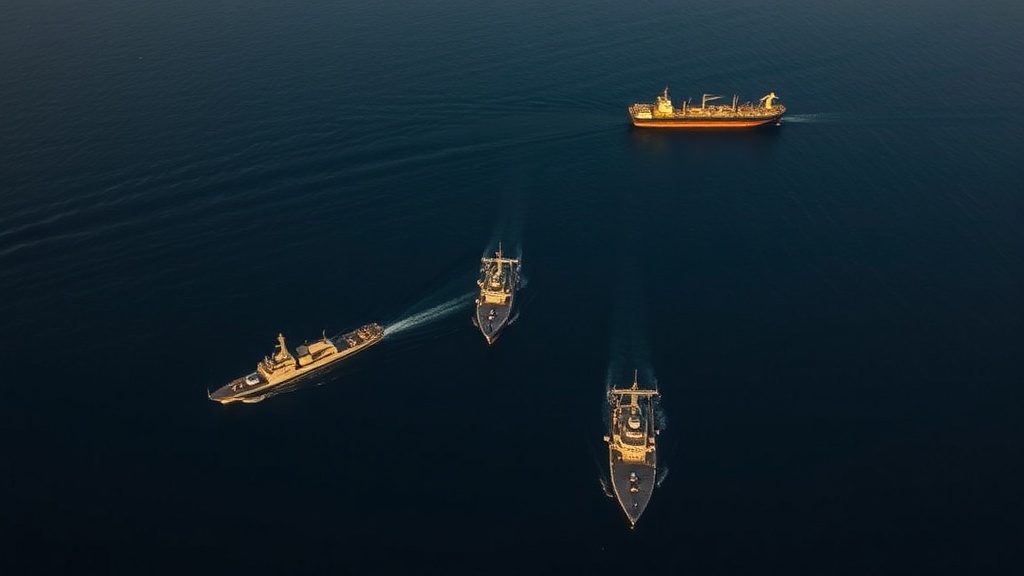
The $25 billion figure represents just the disclosed costs—Pentagon accounting typically excludes long-term veteran care, equipment replacement, and intelligence operations that can triple the real price tag. More telling: Hegseth's claim that Congress is the 'biggest adversary' inadvertently reveals that the military leadership views domestic political opposition as a greater threat than Iranian forces. The fighting is currently 'on hold' according to PBS, meaning the U.S. is spending billions to maintain a blockade of the Strait of Hormuz while neither side actively engages—a costly standoff with no clear victory conditions.
Key data: PBS reported fighting is 'on hold' while U.S. maintains expensive Strait of Hormuz blockade
Where They Actually Agree
Both parties acknowledge the Iran conflict has cost $25 billion and that congressional oversight of military spending is constitutionally required. Republicans and Democrats also agree that the current situation involves maintaining a blockade rather than active combat operations, though they disagree sharply on whether this represents strategic patience or costly drift.
Community Pulse
Should Congress have more oversight over ongoing military operations costing billions?
AI-generated analysis based on published sources. TheOtherFeed does not take political positions.