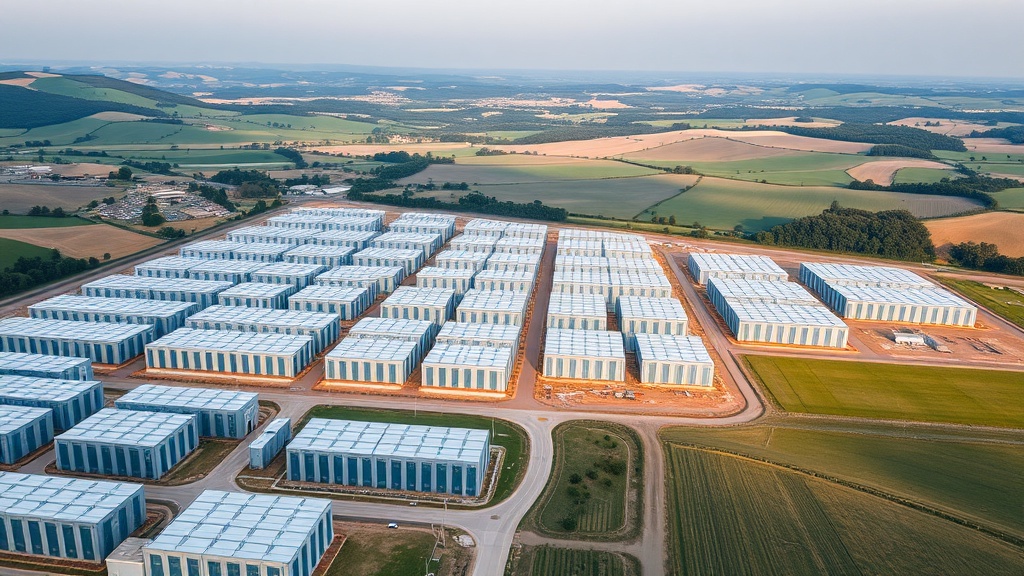
Amazon Lays Off 30,000 While Spending $200B on AI
Optimist View
AI displacement fears mirror historical technology panics that never materialized at predicted scale. Previous automation waves from the industrial revolution to personal computers ultimately created more jobs than they destroyed, with new industries emerging to absorb displaced workers. Policymakers are already designing transition programs and universal basic income pilots to smooth the adjustment period.
Sources: The Hill (June 04, 2026)
Skeptic View
This AI wave differs fundamentally from past automation because it targets cognitive work, not just manual labor, affecting white-collar professionals previously insulated from displacement. Amazon's decision to lay off 30,000 workers while committing $200 billion to AI infrastructure demonstrates how companies prioritize automation over human employment. The speed and breadth of AI adoption outpaces historical precedent and worker retraining capacity.
Sources: CNBC (June 04, 2026)
Industry Reality
Tech companies are restructuring workforces around AI capabilities rather than pursuing blanket automation. Amazon's layoffs target specific departments while the company simultaneously hires for AI-adjacent roles, reflecting strategic workforce reallocation rather than pure displacement. The $200 billion infrastructure investment signals long-term job creation in data center operations, AI training, and specialized technical roles that require human oversight.
Sources: CNBC (June 04, 2026)
What Your Feed Is Hiding
The timing reveals the uncomfortable reality: companies are using AI investment announcements to justify layoffs that were already planned for cost-cutting reasons. Amazon's 30,000 layoffs began before its AI infrastructure spending was finalized, suggesting the displacement narrative provides convenient cover for routine workforce optimization. Meanwhile, the actual AI jobs being created require entirely different skill sets than the positions being eliminated, creating a skills mismatch that transition programs haven't addressed.
Key data: Amazon's 30,000 layoffs preceded its $200 billion AI infrastructure commitment timeline
Where They Actually Agree
All sides acknowledge that workforce disruption is occurring and that some form of policy intervention will be necessary. Both optimists and skeptics agree that retraining programs and safety nets need expansion, though they disagree on scale and urgency. Industry voices and critics both recognize that the transition period will be painful for displaced workers regardless of long-term outcomes.
Community Pulse
Should companies be required to fund retraining programs before implementing AI-driven layoffs?
AI-generated analysis based on published sources. TheOtherFeed does not take political positions.