Why 2028's redistricting war is already starting in May 2026
Left Feed Reality
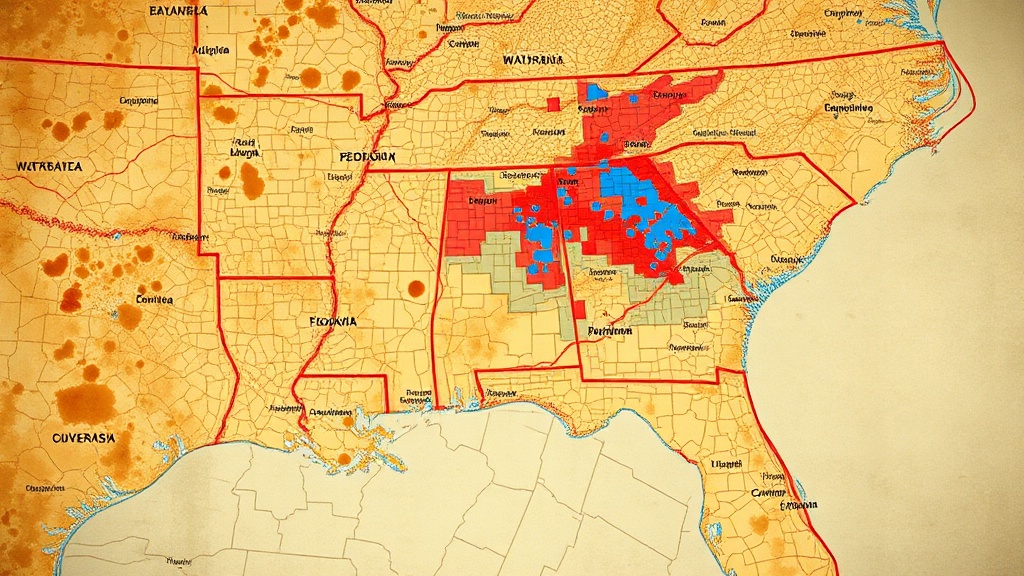
The New York Times reports Republican officials are "jubilant" about fast-shifting district lines in the South, while civil rights activists prepare for "the fight of a generation." Southern demographic changes are accelerating map redrawing ahead of schedule, with voter confusion mounting as boundaries shift rapidly. Democrats see this as gerrymandering acceleration designed to lock in GOP advantages before 2030 census data officially triggers redistricting.
Sources: NYT (May 31, 2026)
Right Feed Reality
Republican officials view the accelerated Southern redistricting as a legitimate response to rapid demographic shifts that make current maps obsolete before the traditional 2030 timeline. The Hill notes the "gerrymandering war is just heating up," but conservatives frame this as necessary electoral housekeeping to reflect actual population changes. They argue Democrats did the same thing in blue states during favorable cycles.
Sources: The Hill (May 31, 2026), NYT (May 31, 2026)
Global POV
International observers view American redistricting battles as evidence of democratic backsliding through electoral manipulation. The 2028 timeline acceleration represents how partisan map-drawing has become institutionalized rather than episodic. Foreign democracies with independent redistricting commissions watch these cycles as cautionary tales about what happens when political parties control their own electoral boundaries.
Sources: The Hill (May 31, 2026)
What Your Feed Is Hiding
The 2028 redistricting acceleration reveals that population data already justifies map changes in multiple Southern districts, but both parties are gaming the timing rather than the substance. The Hill reports this battle "threatens to eclipse the current map-drawing fever," meaning the demographic shifts are real enough that even neutral observers expect wholesale changes. What neither side admits: the districts genuinely need redrawing based on population movement, but the rush to control the process reveals both parties care more about partisan advantage than accurate representation.
Key data: Southern districts have shifted fast enough to justify early redistricting ahead of 2030 census timeline
Where They Actually Agree
Both sides acknowledge that Southern district boundaries need updating due to rapid demographic changes. Republicans and Democrats agree the current maps poorly reflect actual population distribution, though they disagree about who should control the redrawing process and timeline.
Community Pulse
Should redistricting be handled by independent commissions rather than state legislatures?
AI-generated analysis based on published sources. TheOtherFeed does not take political positions.